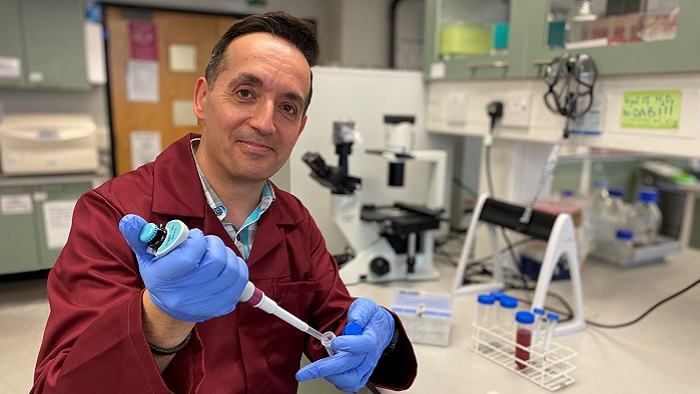
Funded by the Carbon Monoxide Research Trust (CORT), the new project will examine the impacts of carbon monoxide (CO) on platelet function and its implications for cardiovascular health.
Carbon monoxide is a colourless, odourless gas commonly encountered in urban environments due to pollution, in occupational settings, and sometimes at home from faulty appliances.
It is known to affect the heart and lungs and can worsen certain diseases. However, a less explored area is CO's effects on platelets, the tiny blood cell fragments responsible for blood clotting that prevent excessive bleeding.
Platelet dysfunction can lead to excessive clotting, contributing to conditions like heart attacks and strokes. While CO is known to influence platelet function, how these change with increasing CO concentrations, the underlying mechanisms, and the broader health implications remain poorly understood.
This new study aims to fill that gap by investigating how different concentrations of CO affect platelet function. The research will provide new data on the broader impact of carbon monoxide on health, especially for people living in polluted areas, working in high-risk occupations and those who are vulnerable.
The project, which has received £224,000 funding, is being led by Dr Prachi Stafford, from Sheffield Hallam University’s School of Biosciences and Chemistry.
Dr Stafford said: “We’re pleased to be carrying out this important research into the wider impacts of carbon monoxide. This insight into platelets at cellular and biochemical levels is vital for developing targeted treatments, and preventive or management strategies following carbon monoxide exposure.”
This is the latest research project led by Sheffield Hallam University into the effects of carbon monoxide exposure.
Scientists at the University are currently studying the impacts of low CO exposure on the adult and developing brain.
Gerarda Kendrick, Grants Lead, CO Research Trust: "Dr Stafford’s project explores the role of CO in blood clotting - a pioneering area of research for the Sheffield Hallam team and one that compliments the expansive work already in progress at the University and which seeks to address a key knowledge gap: how varying concentrations of CO impacts platelet function.
This study is also aligned to other CORT-funded projects being undertaken at universities across the country. CORT believes in sharing knowledge amongst our CO research community with a commitment to robust data and empirical evidence, this study is one step closer in achieving this."