Conducted by Sheffield Hallam University's Moving Mums Initiative and published in the British Journal of Midwifery, the study highlights critical gaps in how women are supported to be active during pregnancy and after birth, with implications for both physical and mental wellbeing.
The findings come at a time when the recent Renewed UK Women’s Health Strategy calls for stronger support for women to be physically active as part of prevention and long-term health. This study shows, in practice, that support is not reaching many of the women who need it most.
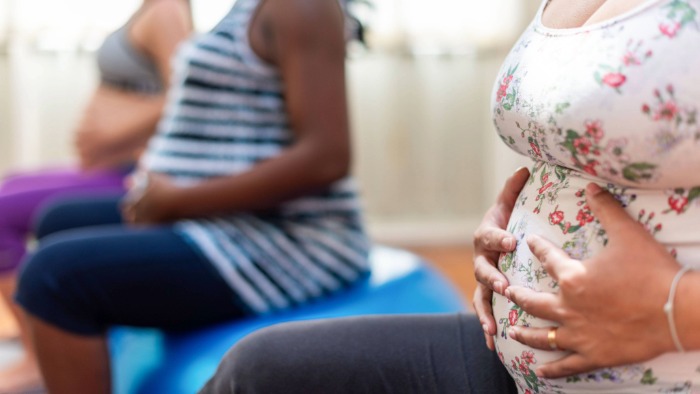
The research, conducted with pregnant and postnatal women from marginalised communities in Sheffield, explored how physical activity is understood, experienced and navigated. It found that activity is shaped by factors such as access to appropriate provision, cost, childcare, time, and the availability of consistent, credible advice.
Dr Marlize De Vivo, Principal Investigator from Sheffield Hallam University and the Active Pregnancy Foundation, said: “This project shows that being active during the perinatal period is not simply a behavioural issue, it reflects how well our systems are set up to support women. Where access, guidance and opportunity are limited, so too is women’s ability to engage, with consequences for their physical and mental health, and a widening of existing inequalities.”
Current UK guidelines recommend that pregnant women accumulate 150 minutes of moderate-intensity physical activity per week and engage in strengthening activities twice per week. Research shows that women who meet these guidelines can reduce their risk of some pregnancy-related conditions, including depression, pre-eclampsia and gestational diabetes.
However, the findings demonstrate that many women described receiving little meaningful guidance from healthcare professionals, often navigating decisions independently and with uncertainty. Opportunities to be active were uneven, with barriers including local access, availability, affordability, and practical constraints linked to caring responsibilities.
Alongside these structural barriers, women spoke of being uncertain of the risks of being active in pregnancy and the fear that it may be harmful to their baby, as well as social pressure, and cultural expectations, all influencing whether they felt able to be active.
Together, these findings point to a system where support is inconsistent, fragmented, and not aligned with women’s realities.
The findings highlight implications for maternal mental health. Where women lacked clear guidance or felt judged or uncertain, this reduced confidence and increased anxiety. Where they felt supported, physical activity contributed to improved mood, stress management and a sense of control.
The research is relevant to the NIHR Inequalities Challenge: Maternity Disparities Consortium, where the work of Dr Marlize De Vivo and Professor Hora Soltani MBE, focuses on improving how care is delivered across pregnancy, birth and the early postnatal period, particularly where current pathways are fragmented, access is unequal, and opportunities for support are missed.
These findings provide insight into how those gaps are experienced in practice, highlighting the importance of access, communication, and continuity of care in shaping both physical and mental health outcomes.
Professor Hora Soltani MBE, Director for Maternal and Infant Health Equity Research Centre and study co-author from Sheffield Hallam University, said: “These findings highlight the importance of recognising the realities women face. Addressing inequalities in maternal health requires coordinated system approaches that reflect both individual circumstances and broader structural and organisational factors that shape them.”