
- Careers & Employability /
- Programmes /
- Hallam Award /
- Santander Awards /
- Millie's story
Millie's story
How are you going to utilise the Santander Funding?
With the support of the Santander Funding, I plan to undertake three practical, career-focused courses: mixology, barista training, and a digital marketing certificate via Coursera. These were carefully chosen to help me develop versatile skills in both the hospitality and creative industries, providing qualifications that are in high demand and can open doors to a range of opportunities.
The mixology course, delivered by the European Bartending School, is a short but intensive program designed to teach the techniques behind professional cocktail making – from flavour balancing to presentation and speed. Although I haven’t yet taken the course, I’m eager to build expertise in this area. Mixology appeals to me not just as a craft but as a creative outlet, one that combines social engagement with technical flair. The course, typically running over 3 to 5 days, will give me the skills and confidence to work in bars, at events, or even launch pop-up experiences in the future.
I also plan to complete a barista course, which will provide training in coffee brewing, latte art, and machine handling. As the coffee industry continues to grow, professional barista skills are more valuable than ever. This course, expected to last around one week, will help me pursue part-time or full-time work in coffee shops, while also giving me the foundational knowledge to explore entrepreneurial ideas related to café culture and mobile coffee services.
How will the funding help you to achieve your career aspirations?
Receiving the £1,000 Santander Funding will be a significant step toward achieving my long-term career aspirations in the hospitality and tourism sector. As a student currently studying Hospitality and Tourism Business Management, and with existing hands-on experience in the industry, I understand how important it is to combine academic knowledge with practical, industry-recognised skills. This funding will enable me to do exactly that.
By investing in a mixology course, a barista training program, and an in-depth digital marketing course through Coursera, I will gain a unique combination of skills that are not only relevant but increasingly essential in today’s competitive hospitality landscape. These courses will allow me to upskill in specific areas that are in high demand—craft cocktail making, professional coffee preparation, and digital brand promotion.
From the mixology and barista courses, I expect to develop hands-on technical abilities, product knowledge, and customer interaction skills that are crucial in front-of-house roles. These will enhance my employability in cafés, bars, hotels, and event settings, and may also open opportunities for freelance or mobile hospitality work.
The digital marketing course, which runs for up to six months, will give me the tools to build and promote hospitality brands online, skills like social media management, content strategy, and SEO (search engine optimisation). In a digital-first world, being able to combine service delivery with effective online communication is a valuable asset. Whether I go on to manage a venue, work in tourism marketing, or launch my own hospitality venture, these skills will give me a solid foundation.
Ultimately, the funding allows me to bridge the gap between theory and practice, strengthen my career prospects, and pursue my vision of building a dynamic, experience-driven career in hospitality and tourism.
Why do you think it is important for students to engage in extracurricular activities alongside their studies?
Engaging in extracurricular activities alongside academic studies is vital for a well-rounded student experience. While university provides theoretical knowledge, extracurricular involvement contributes significantly to personal growth, practical skill development, emotional wellbeing, and career readiness.
For students, especially those in fields like hospitality and tourism, these activities offer real-world exposure, teamwork, and leadership opportunities that can’t always be learned in the classroom. They help build confidence, adaptability, and resilience—all of which are key attributes employers value. Extracurricular experiences also enhance social connections, reduce stress, and allow students to discover new passions and strengths.
In my own experience, I have had the opportunity to engage in a variety of activities that have enriched my time at university in ways academics alone could not.
Working in the hospitality industry alongside my studies has taught me how to manage my time effectively, remain calm under pressure, and deliver exceptional customer service. It has also given me insight into the operational realities of the industry I’m studying, reinforcing the relevance of what I learn in lectures.
Running a half marathon pushed me both mentally and physically. Training for and completing the race strengthened my discipline, goal-setting abilities, and perseverance, qualities that I now apply to my academic and career goals.
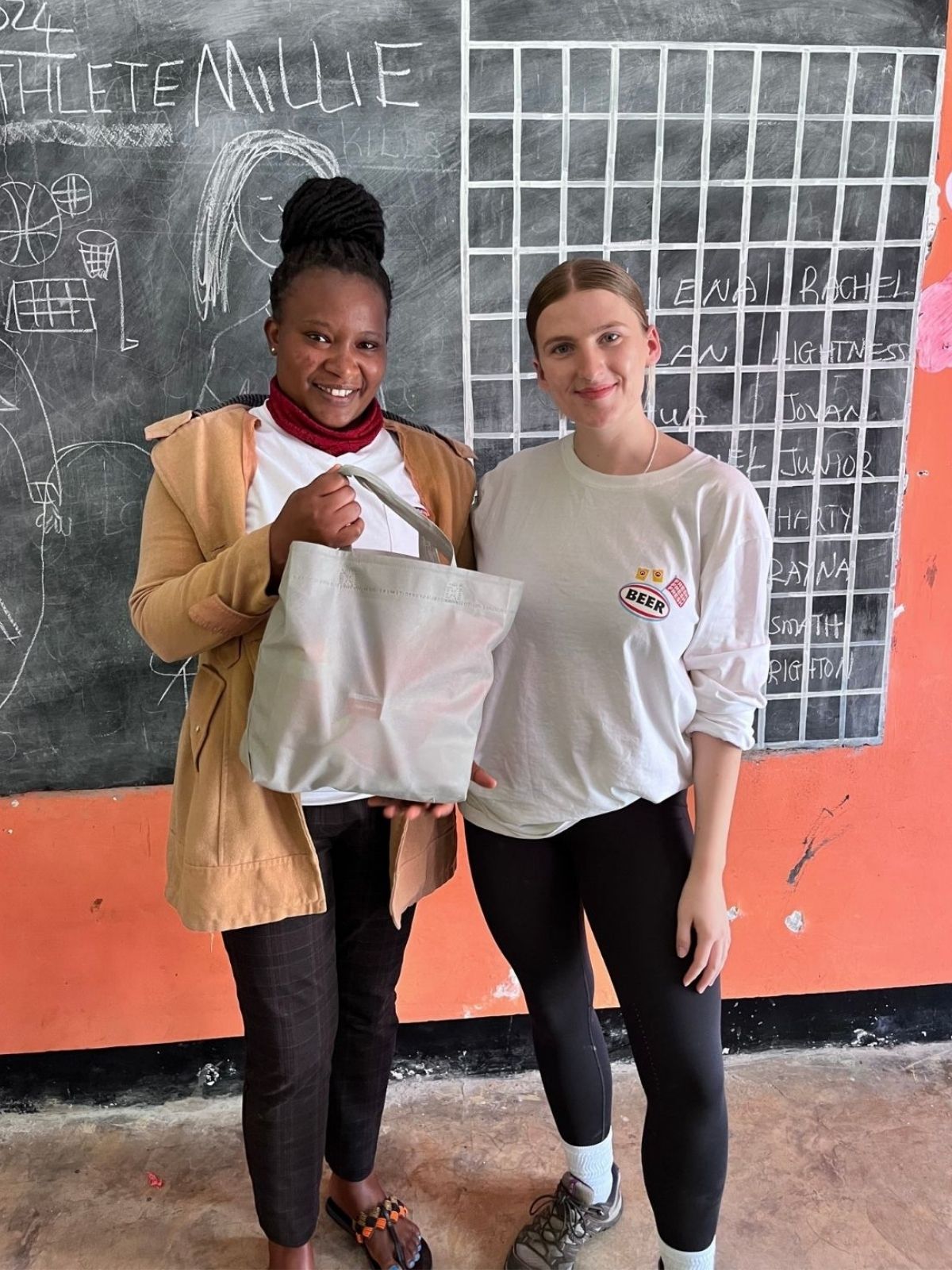
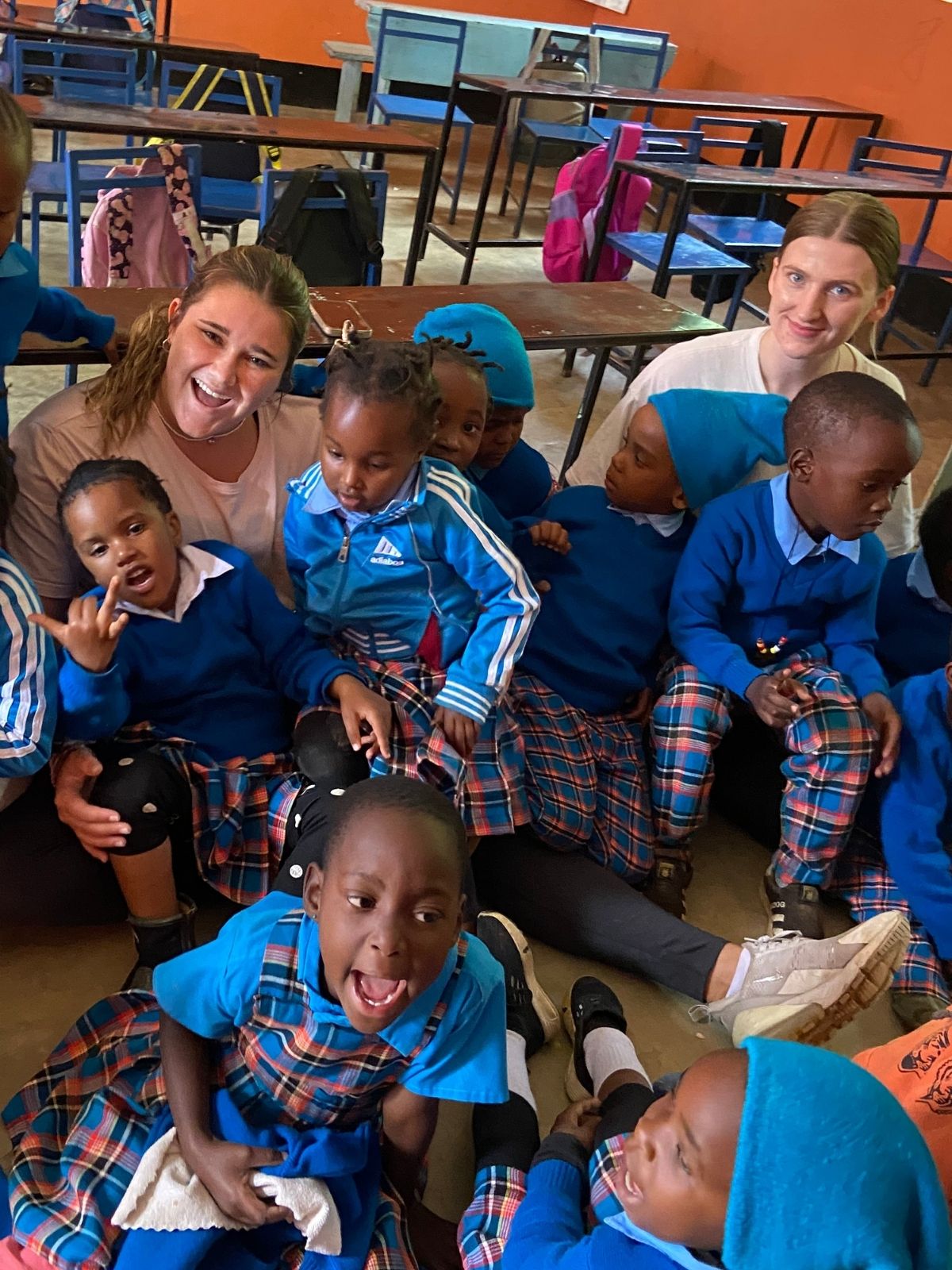
Volunteering in Tanzania for three weeks, working in a school, was a life-changing experience. It exposed me to new cultures, built my communication and problem-solving skills, and deepened my appreciation for global perspectives in education and community development. It also reaffirmed my desire to pursue a career that makes a positive impact.
Tell us about your Tanzania volunteering experience
In July and August 2024, I spent three weeks volunteering in Tanzania, working in a local primary school as part of a community development and education project. This opportunity allowed me to make a direct impact on the lives of children while gaining valuable personal and professional experience that I will carry with me into my future career in hospitality and tourism.
The school was in a rural, under-resourced area where many children came from disadvantaged backgrounds. Class sizes were large, teaching materials were limited, and for some children, the food provided at school was their only meal of the day. The teachers were dedicated but overstretched, and extra support was urgently needed. I was deeply motivated to be part of a solution, and in the months leading up to the trip, I worked full-time during my placement year to save enough money to fund my flights, accommodation, and in-country costs.
My main responsibilities were to help care for and supervise the children, support teachers during lessons, and create engaging learning experiences that made school an exciting and nurturing environment. Additionally, I helped provide essential resources—including food, uniforms, and hygiene products, and played an active role in preparing and serving meals. Alongside this, I organised fundraising efforts and, with a friend, we successfully raised over £1,200, which was used to donate supplies and support the school beyond our time there.
Each day, I worked closely with the children, designing and delivering interactive lessons in English, covering topics like animals, colours, and vocabulary. I used creative approaches such as games, music, storytelling, and art to make learning fun and accessible. I also organised sports sessions to promote physical health and teamwork, which the children loved and looked forward to.
Beyond classroom teaching, I offered support to teachers by helping manage the classroom and giving one-on-one help to children who needed extra attention. I also assisted in supervising and caring for children throughout the day, ensuring they felt safe and emotionally supported. A particularly meaningful part of my role was helping to cook and serve meals, knowing that for many children, this would be their only substantial food intake for the day.
I also took part in distributing essential donations, including soap, food, stationery, school uniforms, and other supplies. Seeing how much joy and pride the children took in receiving school uniforms was especially moving. These contributions were made possible through the fundraising efforts and personal donations I had prepared in advance.
This experience was genuinely life-changing. I developed greater resilience, empathy, and cultural awareness, and enhanced key skills such as communication, leadership, and adaptability. Working full-time beforehand to fund the trip taught me the value of hard work and financial planning, while the hands-on experience in Tanzania gave me deeper insight into the power of education and the importance of compassion in action.
The children became more engaged, confident, and enthusiastic about learning. Teachers expressed sincere gratitude for the support we provided, both in the classroom and in helping meet students' basic needs. I left with a deep sense of purpose and fulfilment, knowing I had made a meaningful contribution.
I'm incredibly grateful for the opportunity and hope to return to the school in the future or take part in further impactful volunteering work. This experience has reinforced my ambition to work in people-focused, purposeful environments where I can continue making a difference.