For decades, progress against cancer has rightly been measured by improvements in diagnosis, treatment and survival rates. Those advances have transformed countless lives. According to Cancer Research UK, almost 3.5 million people are now living with cancer across the UK, while more than 403,000 people will receive a cancer diagnosis in 2026 alone – around 1,100 every day.
These figures are both sobering and encouraging. They remind us of the scale of cancer's impact on society, but they also reflect significant progress. More people are living longer after a diagnosis than ever before.
Recognising this changing landscape, the Government's National Cancer Plan has placed survivorship at the heart of future cancer care. Its ambition is that by 2035, 75 per cent of people diagnosed with cancer will survive for at least five years or be living well with the disease. The inclusion of those two words – living well – marks an important shift in thinking.
For many years, success in cancer care has rightly been measured by clinical outcomes such as survival rates and treatment effectiveness. These remain critically important. But increasingly, we are recognising that life after a cancer diagnosis involves much more than medical treatment alone.
People may face physical challenges, emotional distress, fatigue, loss of confidence, changes to body image, financial pressures and difficulties returning to work or family life. As survival rates improve, supporting quality of life must become an equally important part of the cancer journey.
Personalised and holistic approach
Research at Sheffield Hallam University is helping to demonstrate why a more personalised and holistic approach can make a significant difference.
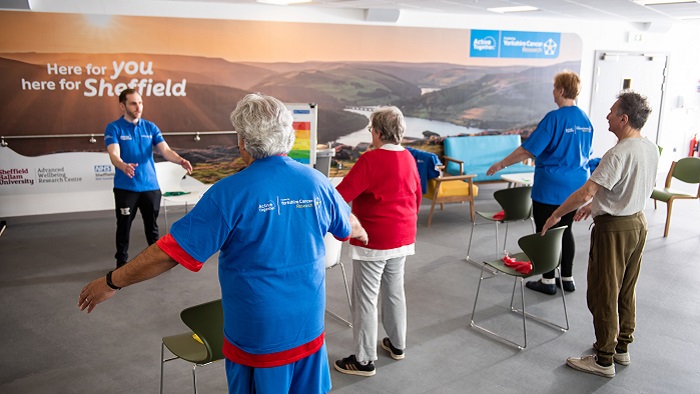
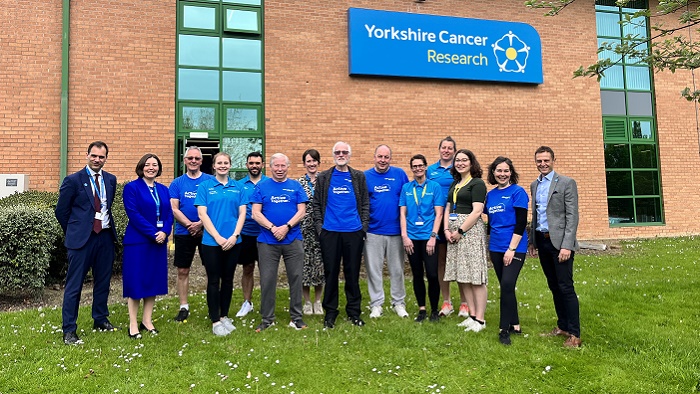
One example is Active Together, a pioneering programme led by Yorkshire Cancer Research and designed by experts at Sheffield Hallam University's Advanced Wellbeing Research Centre. The programme supports people before, during and after treatment through tailored exercise, alongside wider wellbeing support.
The evidence is increasingly clear that physical activity can help people better tolerate treatment, improve recovery, reduce fatigue and enhance mental wellbeing. There is also growing evidence that healthy lifestyle interventions can help reduce the risk of cancer returning for some patients.
What makes programmes such as Active Together particularly powerful is their recognition that every person's experience of cancer is different. Effective support cannot be one-size-fits-all. It must consider physical health, mental wellbeing, nutrition, social support and the individual's personal circumstances.
This broader understanding of cancer care is driving innovation in other areas too.
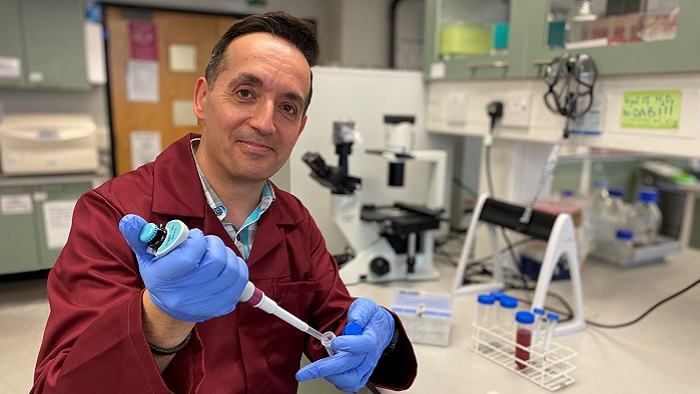
At Sheffield Hallam, researchers are working with healthcare providers and industry partners to improve the dignity, comfort and wellbeing of people undergoing treatment.
For women receiving radiotherapy for breast cancer, researchers have developed a specialised support bra designed to maintain modesty while also helping to improve treatment accuracy. It may seem like a relatively simple intervention, but for patients facing an already stressful experience, preserving dignity and comfort can have a profound impact on confidence and wellbeing.
Similarly, our researchers are exploring new approaches to scalp cooling technology to help reduce hair loss during chemotherapy. Hair loss is often viewed as a side effect of treatment, but for many people it can be one of the most visible and emotionally challenging aspects of a cancer diagnosis. Finding ways to minimise this impact can help patients retain a sense of identity and control at a time when much else may feel uncertain.
These innovations illustrate an important principle: improving cancer outcomes is not only about developing new drugs or treatments. It is also about understanding what matters most to patients and addressing the practical, emotional and psychological challenges they face.
Yorkshire has a proud history of innovation in healthcare research, and our region is well placed to help shape this next chapter of cancer care. Universities, NHS organisations, charities and industry partners are increasingly working together to translate research into real-world benefits for patients and communities.
As we look towards the ambitions set out in the National Cancer Plan, continued investment in research, prevention, rehabilitation and survivorship support will be essential.
The challenge is no longer simply helping people survive cancer. It is ensuring that the growing number of people living with and beyond cancer have the support they need to live healthy, fulfilling and meaningful lives.
By Professor Neil Bricklebank, Associate Dean for Research and Innovation, College of Health, Wellbeing and Life Sciences, Sheffield Hallam University