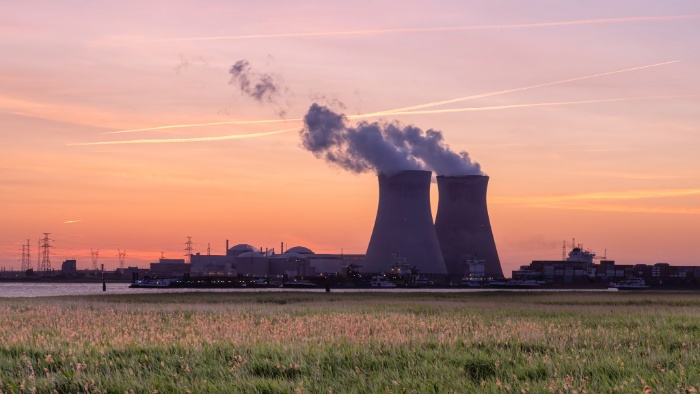
Funded by the Engineering and Physical Sciences Research Council (EPSRC), Glass Bridges is a UK–Japan collaboration addressing nuclear decommissioning challenges which will bring together the UK National Nuclear Laboratory, Sellafield Ltd and Glass Technology Services in the UK, as well as specialist Japanese partners with pioneering capabilities in in-container vitrification and ceramic melter technologies.
Both countries face major hurdles in managing some secondary and legacy wastes from sites such as Sellafield in the UK and Fukushima Daiichi in Japan. These problematic materials, including incinerator residues, ion exchange media and filtration sludges, often fall outside conventional classification systems and resist established treatment methods.
Thermal treatment, particularly vitrification, which immobilises waste in durable glass, offers a promising route forward, with proven benefits for stability, volume reduction and long-term storage readiness. But many waste types present unknowns when processes are scaled up from laboratory conditions to industrial applications. The Glass Bridges project will close this gap by generating robust, scalable evidence to de-risk full-scale deployment.
Led by Dr Alex Scrimshire, research fellow based in the School of Engineering and Built Environment, at Sheffield Hallam University, alongside Professor Paul Bingham and Dr Sabrin Samad, trials will range from small lab batches (200 g) to pilot-scale operations of up to 50 kg per melt cycle in the UK, with parallel mid-scale trials in Japan using alternative melting technologies working with Kyushu University and the Central Research Institute of Electric Power Industry (CRIEPI). These will assess energy needs, throughput and supporting infrastructure, validating lab-scale science in realistic industrial conditions.
Alex said: “This project presents a real opportunity to propose effective waste treatment solutions for difficult to process materials, and benefit from the wealth of knowledge embedded in Sellafield and Fukushima Daiichi. By advancing proven laboratory techniques to production scale, Glass Bridges could accelerate nuclear site clean-up, reduce long-term waste storage burdens, and deliver reliable solutions for some of the more challenging wastes — benefitting nuclear programmes worldwide.”