
Get in touch
Contact the Helena Kennedy Centre to discuss facilities, partnerships, doctoral research and more
Contact UsForced Labour Reports
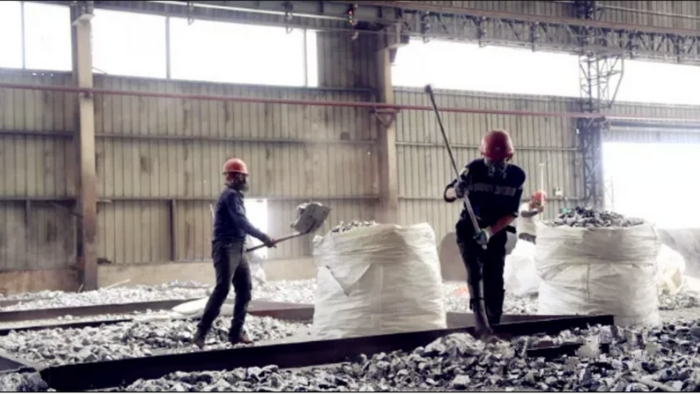
Reports
Over-Exposed: Uyghur Region Exposure Assessment for Solar Industry Sourcing
The solar industry has become increasingly opaque since the revelations of exposure to state-imposed forced labour of Uyghurs and Kazakhs in the Xinjiang Uyghur Autonomous Region (XUAR) in the solar supply chain. “Over-Exposed” assesses ten solar firms and creates a model to determine manufacturers’ exposure to the Uyghur Region, even as new supply chains are created to attempt to eliminate XUAR-sourcing. Read the report. (PDF, 1.4MB)
Annex A:Corporate Responses (PDF, 963.6KB)
Driving Force: Automotive Supply Chains and Forced Labour in the Uyghur Region
If you have bought a car in the last five years, some of its parts were likely made by Uyghurs and others forced to work in China. The Chinese government has deliberately shifted raw materials mining and processing and auto parts manufacturing into the Xinjiang Uyghur Autonomous Region (XUAR or Uyghur Region), essentially making international supply chains captive to repressive programs and systematic forced labour. In a six-month investigation undertaken by Sheffield Hallam and Nomogaia, analysis of publicly available documents revealed massive and expanding links between western car brands and Uyghur abuses, in everything from the hood decals and car frames to engine casings, interiors and electronics. Read the report. (PDF, 4.3MB)
Annex A: Automotive Industry - Relevant Companies Operating in the Uyghur Region (PDF, 355KB)
Annex B: Corporate Responses (PDF, 1.3MB)
Until Nothing is Left: China's Settler Corporation and its Human Rights Violations in the Uyghur Region. A report on the Xinjiang Production and Construction Corps
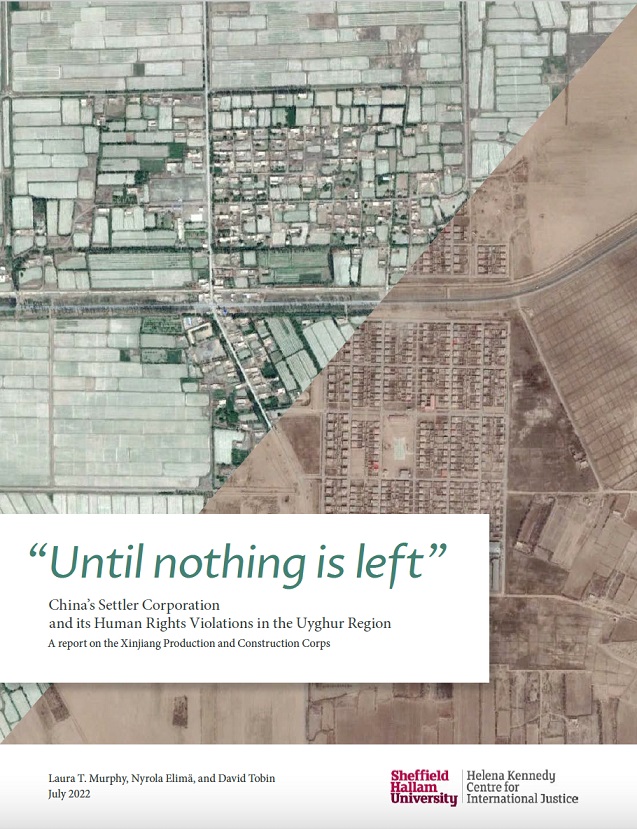
"Until Nothing Is Left" documents in great detail the egregious human rights violations of the Xinjiang Production and Construction Corps, which is a paramilitary corporate conglomerate designed to suppress and colonize the Indigenous people of the Uyghur Region.
This report traces some of the XPCC’s most important products and services – cotton, tomatoes, chemicals, and construction – out to the rest of the world through supply chains and investments, revealing the way international spending supports this regime of oppression. Read the report. (PDF, 5.7MB)
Annex A: XPCC Cotton Customers and Suppliers (PDF, 446.9KB)
Annex B: Corporate Responses (PDF, 176.7KB)
Financing & Genocide: Development Finance and the Crisis in the Uyghur Region
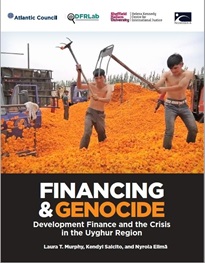
International Finance Corporation has several significant investments in the Xinjiang Uyghur Autonomous Region (XUAR or the Uyghur Region) in the People’s Republic of China (PRC), where indigenous peoples have been subjected to what international legislators, legal scholars, and advocates have determined to be a genocide.
Significant evidence suggests that several of IFC’s clients are active participants in the implementation of the PRC government’s campaign of repression against the Uyghurs, including through forced labour, forced displacement, cultural erasure, and environmental destruction. IFC’s failure to adequately safeguard communities and the environment affected by its financing in the Uyghur Region makes the institution complicit in the repression of Uyghur, Kazakh, and other minoritized citizens.
"Financing & Genocide" presents credible evidence that IFC financing is contributing to companies committing gross human rights abuses against Uyghur peoples in the XUAR and makes evidence-based recommendations to IFC and other development finance institutions. Read the report. (PDF, 9.2MB)
Annex A: DFI and Corporate Responses (PDF, 416.5KB)
Laundering Cotton: How Xinjiang Cotton in Obscured in International Supply Chains
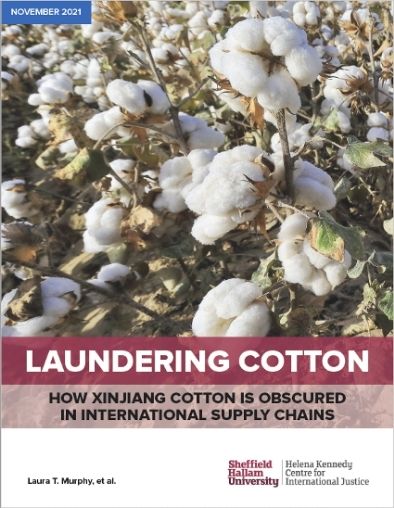
Laundering Cotton: How Xinjiang Cotton is Obscured in International Supply Chains is an investigation into how forced-labour-produced cotton and cotton-based goods from the Uyghur Region wend their way into international supply chains. Based on international trade and customs data, we conclude that at the same time as Xinjiang cotton has come to be associated with human rights abuses and to be considered high risk for international brands, China's cotton industry has benefited from an export strategy that obscures cotton's origin in the Uyghur Region.
The Uyghur Region produces approximately 85% of all of China's cotton, and in the last several years, China has encouraged the rapid growth of cotton goods manufacturing in the Uyghur Region. 52% of China's export of raw cotton, yarn, and fabric goes to Bangladesh, Vietnam, Philippines, Hong Kong, Indonesia and Cambodia. Manufacturers in these countries serve as intermediaries in finishing cotton-based apparel, thus obscuring the provenance of the cotton. Read the report. (PDF, 8.1MB)
Annex A: Chinese Meida Reports Regarding Forced Labour Accusations (PDF, 220.6KB)
Annex B: Trade Data (PDF, 81.6KB)
Annex C: Supply Chain Tracing (PDF, 3.4MB)
Annex D: Corporate Responses (PDF, 372.1KB)
In Broad Daylight: Uyghur Forced Labour and Global Solar Supply Chains
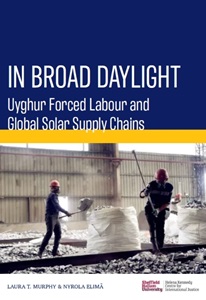
Beginning in the spring of 2018, significant evidence began to emerge that the government of the People’s Republic of China understood its system of over 380 detention and internment camps as merely one part of a massive transformation of the Xinjiang Uyghur Autonomous Region (XUAR or Uyghur Region) into a docile and lucrative economic hub. While continuing to intern people in camps without trial, local governments shifted their focus to the creation of an enormous forced labour regime. State-sponsored forced labour programmes are employed by companies both within Xinjiang and in the interior of China, affecting the supply chains of a wide variety of industries, including agriculture, electronics, textiles and apparel, sporting goods, and new energy.
Because of the growth of the polysilicon industry in the Uyghur Region, solar industry supply chains are particularly exposed to forced labour of Uyghur and other minoritized citizens. We analysed government documents, state and corporate media, and corporate disclosures to trace the solar module supply chain from quartz to module, revealing how our clean energy is reliant on state-sponsored forced labour. Read the report. (PDF, 2.8MB)
Annex: Corporate Responses (PDF, 1MB)
Get in touch
Contact the Helena Kennedy Centre to discuss facilities, partnerships, doctoral research and more
Contact Us