That is a bold ambition and would require the fastest rate of improvement in cancer outcomes this century. The National Cancer Plan aligns closely with NHS 10 Year plan, published in 2025, which sets out how the health service will transform over the next decade.
The strategic shifts, from sickness to prevention, from hospital to community, and embracing digital innovations, are all key to enhancing the care of cancer patients in England.Together, these shifts signal a health system that is beginning to treat cancer as a long-term condition rather than a life-ending diagnosis. At its core, the cancer plan must achieve a simple aim: to help people not only live longer but live better.
Over the last 50 years, the number of people dying from cancer has fallen by 22%. These figures are a testament to the progress medicine has made in preventing, detecting, and treating cancer.But there is still so much to do; across those 50 years, the proportion of people in the UK being diagnosed with cancer has increased by 47%,and inequalities in cancer outcomes across the country are becoming increasingly stark.People in Yorkshire are more likely to be diagnosed with and die from cancer than almost anywhere else in England, with approximately 600 people diagnosed weekly. This can and must change. The cancer plan faces three linked challenges: rising incidence, stalled survival improvements, and the need to ensure that all people affected by cancer can live longer and live better throughout and beyond treatment.
One of the key points in the plan is to provide every patient with a tailored support plan covering treatment, mental health and employment support, as well as a local care lead to provide support after treatment.
At Sheffield Hallam University’s Advanced Wellbeing Research Centre (AWRC) we have spent the last five years developing and implementing personalised, community-based support services for people affected by cancer.
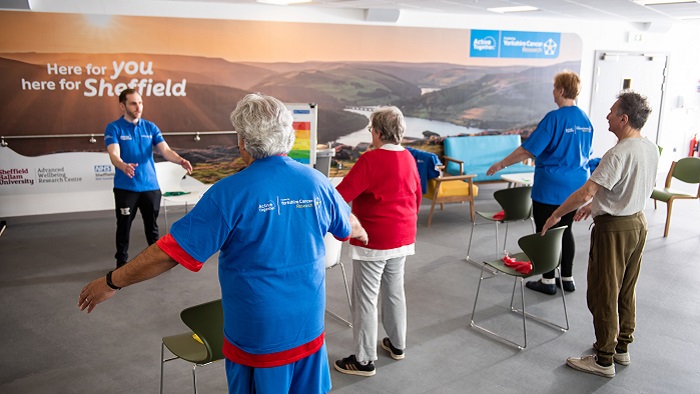
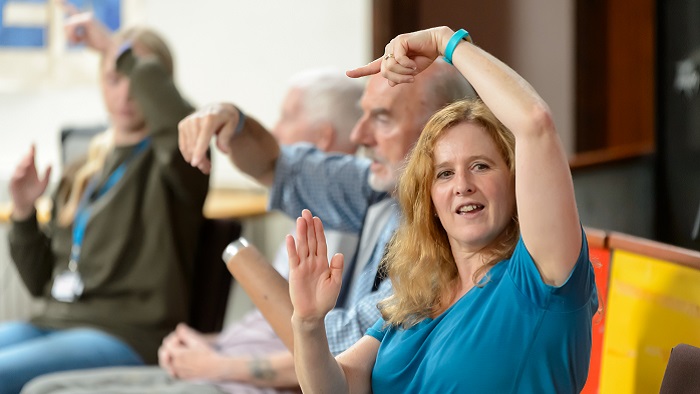
The Active Together programme, which is referenced in the National Cancer Plan as a model for prehabilitation services, is designed to help patients who have cancer better withstand their treatment by providing physical activity, nutritional and psychological support before, during and after treatment. Funded by Yorkshire Cancer Research, the programme was developed by experts at the AWRC and is delivered by NHS Trusts in community locations.
More than 3,000 people in Yorkshire with a cancer diagnosis have been supported by the programme since it was first launched in 2022 and an evaluation of the service has shownimpressive results. Active Together was associated with an overall 10% increase in survival for people with bowel, lung and upper gastrointestinal cancers, with those who took part in the service having a one-year survival rate of 95% compared to 85% for those who did not.
In addition, 97% of people who took part reported improvements in their vitality and wellbeing, feeling empowered and in more control over their health. If the government is serious about helping people live longer and live better, then both prehabilitation and rehabilitation must become routine, guaranteed elements of cancer care rather than optional extras available to some.
Post-cancer support is imperative for children and young people, which the plan recognises. Despite a much lower incidence rate of cancer the long-term impacts on mental and physical health can be significant. We recently launched another research project funded by Yorkshire Cancer Research to develop support for children and young people to lead healthy active lifestyles after cancer treatment. Working with young cancer survivors and their families we will help to co-design a holistic post-treatment support programme that will enable life-long healthy behaviours.
While modernisation through digital innovation is imperative in improving cancer outcomes, it is essential that nobody is ‘left behind’ by these innovations which should be part of a wider holistic and inclusive offer. Reports show that cancer death rates are nearly 60% higher for people living in the most deprived areas of the UK, with over 28,000 deaths per year linked to socioeconomic inequality. Broader community-based access, smarter use of digital support, improved transport options, and culturally competent services all have the potential to close these gaps and support people to live better through and beyond their cancer experience.
The NHS must also focus on another critical aspect of cancer care - the people who deliver it. To make this cancer plan effective, there needs to be a sustained effort to invest in the workforce and infrastructure. More nurses, consultants, pathologists, and diagnostic equipment are all needed to help the NHS reach its cancer targets. Training for clinicians to have prevention and lifestyle conversations with patients is also vital. The Physical Activity Clinical Champions programme led by Sheffield Hallam University does just that. Since it was launched in 2016, more than 65,000 clinicians have been equipped with the knowledge, skills and confidence to promote physical activity as part of routine patient care. This work must continue and be part of the curriculum for new healthcare professionals. Without a workforce skilled in supporting behaviour change and holistic care, the ambition to help people live better will remain aspirational.
The National Cancer Plan is comprehensive, with clear ambitions, outcomes, and actions to improve cancer care. For the plan to fulfil its promise, it needs to deliver a simple but powerful principle throughout: people deserve not only to live longer, but to live better. This requires investment, implementation, and collective determination across the whole system. If we act now, thousands more people in England will be able to live longer and live better with and beyond cancer.