Everything you need to know...
-
What is the fee?
Home: £3,650 for the course
International/EU: £3,720 per 60 credits -
How long will I study?
1 Year
-
Where will I study?
-
When do I start?
September 2026
Course summary
- Explore approaches to prehabilitation and rehabilitation across the cancer continuum.
- Examine pharmacological, non-pharmacological and psychosocial interventions for complex symptoms.
- Apply evidence-informed strategies to enhance personalised care and self-management.
- Study with experts in supportive oncology, cancer rehabilitation and clinical research.
- Strengthen career development in cancer rehabilitation and complex symptom management.
This course equips you with an in-depth insight into supportive oncology, with cancer rehabilitation as an integral component. It aims to enhance and evolve professional practice, supporting the workforce in managing the functional impairments and quality of life consequences of cancer and its treatment.
The award has been developed in collaboration with cancer rehabilitation specialists. It has also been informed through consultation with the UK Association of Supportive Oncology & Cancer Care.
This Postgraduate Certificate can be imported and subsumed within the MSc Supportive Oncology & Cancer, should you wish to continue your studies and apply for progression.
With an estimated 4 million people projected to be living with a cancer diagnosis by 2030, rising to 5 million by 2040, the need for supportive oncology and cancer rehabilitation continues to grow. This course responds to that evolving and vital field of practice.

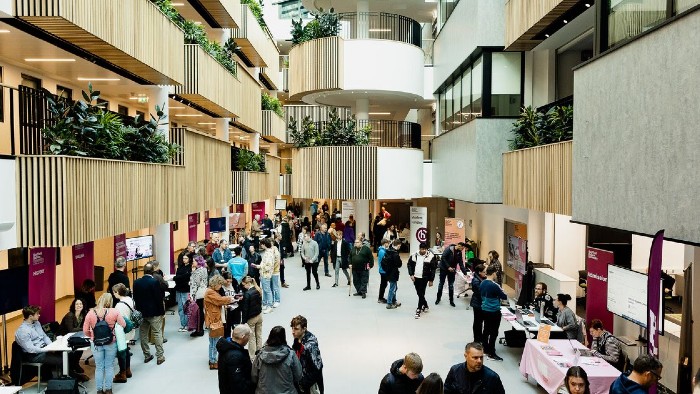
Come to an open day
Find out more at our postgraduate open days. Book now for your place.
How you learn
All our courses are designed around key principles that engage you with the world, encourage collaboration, challenge you to think in new ways, and provide a supportive environment in which you can thrive.
As a distance learner, you benefit from a flexible blend of live, synchronous sessions and recorded, asynchronous online learning designed to fit around your professional commitments. You are taught by expert staff actively engaged in oncology and cancer rehabilitation research and clinical practice, ensuring your learning is current and evidence informed.
You’ll learn through:
- live online lectures and webinars
- recorded teaching sessions
- case-based learning
- interdisciplinary peer discussion
- guided independent study
- guest lectures from clinical experts and researchers
- reflective practice activities
Key themes
Fundamentals of supportive oncology and personalised care
You explore supportive oncology and personalised care and their application across the cancer continuum, considering how integrated approaches can improve quality of life and support self-management.
Cancer prehabilitation and rehabilitation
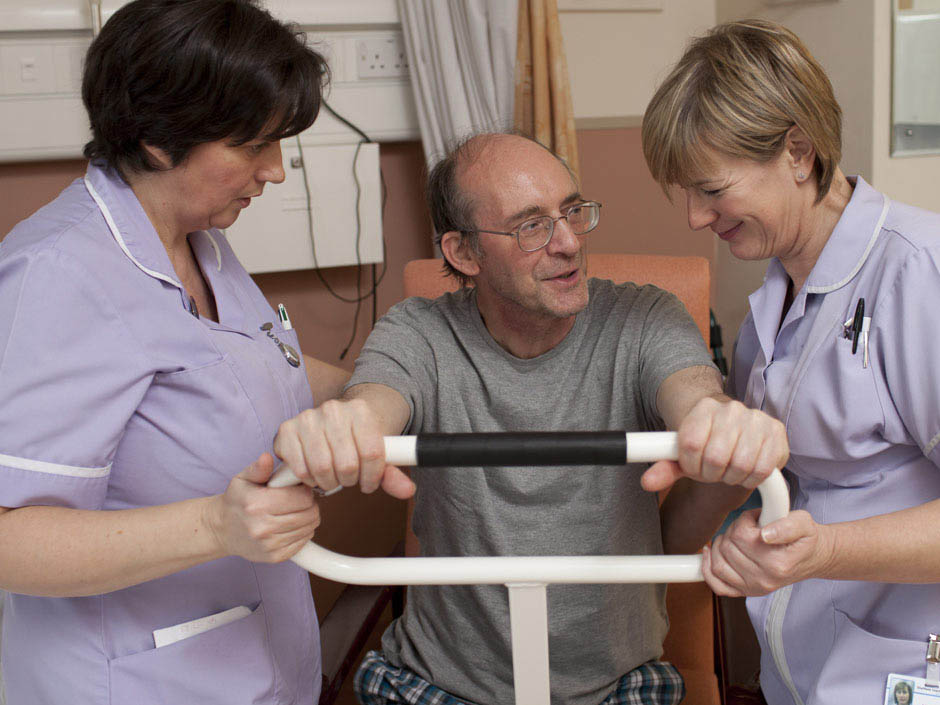
You examine the underpinning theories, principles and practices of cancer prehabilitation and rehabilitation, exploring how interventions can address functional impairments across different stages of cancer care.
Complex symptom management in oncology
You study the management of complex symptoms including pain, nausea, lymphoedema, fatigue, cognitive decline and psychological distress, drawing on pharmacological, non-pharmacological and psychosocial approaches.
Through engagement with contemporary research, clinical insights and interdisciplinary collaboration, you are encouraged to promote excellence and innovation in real-world supportive oncology and cancer rehabilitation practice.
Course-level support
You will be supported in your learning journey towards highly skilled employment through a number of key areas. These include:
- access to academic tutors experienced in online postgraduate education and health workforce development
- specialist library and digital learning resources
- support from the Library Skills Centre for critical writing, referencing and dissertation preparation
- 24/7 IT and technical support
- online student support services
Applied learning
Applied learning is integral to this Postgraduate Certificate. As a working health or wellbeing professional, you integrate new knowledge directly into your current role rather than undertaking formal placements. Learning is applied through case studies reflecting real-world scenarios, service user and carer perspectives, reflective practice tasks, and a research project or dissertation focused on a challenge or opportunity within your own work setting.
This approach enables you to apply learning directly to care delivery and local service development within supportive oncology and cancer rehabilitation.
Networking opportunities
You will engage with guest lectures from clinical experts and researchers, gaining insight into contemporary and innovative clinical practice and the research informing it. Interdisciplinary peer discussion enables you to collaborate with professionals from a range of health and wellbeing settings.
Strong organisational and clinical links underpin the course. Teaching staff are active in oncology and cancer rehabilitation research and practice, ensuring the curriculum reflects current developments and best practice.
Course leaders and tutors

Catherine Holborn
Senior LecturerStaff profile for Catherine Holborn, Senior Lecturer at Sheffield Hallam University
Modules
Module and assessment information for future years is displayed as currently validated and may be liable to change. When selecting electives, your choices will be subject to the core requirements of the course. As a result, selections may be limited to a choice between one of two or more specified electives in some instances.
Final year
Compulsory modules
The aim of this module is to develop specialist knowledge and skills that support the implementation and enhancement of prehabilitation and rehabilitation interventions and programmes, across the cancer pathway – enabling healthier lives through practice and innovation that helps people to manage the consequences of cancer and its treatment, and improved quality of life.
You will study topics such as:
Key principles and role of rehabilitation across the cancer pathway. The cancer rehabilitation workforce and the role of multi-disciplinary collaboration.
Prehabiltiation and rehabilitation interventions and programmes. Core elements of rehabilitation (physical activity promotion & exercise prescription, nutritional support, psychological support) and targeted rehabilitation (e.g., speech & language, cognitive, sexual, continence, vocational).
Methods/tools for holistic assessment and evaluation.
Creating personalised, feasible and evidence informed interventions, tailored to individual needs and priorities.
Supporting self-management and behaviour change (inc. a focus on health coaching and motivational interviewing).
Planning, implementing and maintaining prehabilitation and rehabilitation services.
Complex symptom management in oncology demands a nuanced, person-centred approach that prioritises the lived experience of illness and overall quality of life. This module focuses on developing advanced knowledge in managing symptoms associated with cancer and its treatments, integrating comprehensive, compassionate care strategies. Emphasising the patient’s narrative, it promotes collaborative, multidisciplinary approaches and evidence-informed interventions.
You will study topics such as:
Patient-Centred Care: Understanding and integrating the patient's perspective in symptom management.
Multidisciplinary Collaboration: Roles and responsibilities within the healthcare team.
Complex Symptom Assessment: Techniques and tools for evaluating multifaceted symptoms.
Evidence-Based Interventions: Pharmacological and non-pharmacological, integrative oncology approaches to the management of symptoms such as pain, lymphoedema, nausea, cognitive decline, frailty and cachexia.
Communication Skills: Strategies for effective discussions with patients and families about complex symptoms.
This module aims to facilitate an in-depth understanding of the consequences of cancer and its treatment and the role of supportive oncology across the cancer care spectrum. It aims to enhance your understanding of the holistic assessment and management of symptoms and how a personalised approach to care is facilitated.
You will explore the underpinning evidence base and be encouraged to reflect on your role, and that of health & wellbeing services, in the delivery of supportive care.
You will study topics such as:
Consequences of cancer and its treatment:
Acute and late physical effects, psychological, sexual, social, vocational and financial issues. Social determinants and specialist needs.
Ethos and core components
Of supportive oncology, enhanced supportive care, and personalised care.
Principles of holistic symptom management
Effective communication and advanced communication. Symptom assessment strategies/tools and approaches to management e.g., pharmacological, clinical, lifestyle modification; and collaborative working.
Supporting self-management
Information provision, shared decision making, behaviour change theory and practice. Use of digital tools.
Future careers
This course prepares you for roles in:
- supportive oncology services
- cancer rehabilitation services
- complex symptom management
- personalised cancer care
- advanced or specialist clinical practice
- leadership and management within oncology settings
It also supports continued professional development for those working towards enhanced, advanced or specialist roles in supportive oncology and cancer rehabilitation. Graduates may also contribute to specialist interest groups helping to shape the future of this field.
Equipment and facilities
You study fully online using Sheffield Hallam University’s Blackboard Virtual Learning Environment, enabling flexible study alongside professional commitments. The course integrates with your working life, allowing you to apply new knowledge directly into practice without attending campus.
On this course you have access to:
- blackboard virtual learning environment for content delivery, discussion, live webinars and assessment
- specialist online journals, research databases, e-books and subject guides
- 24/7 library support via live chat and email
- library skills centre webinars and one-to-one appointments
- 24/7 IT support through live chat, phone and self-service portal
- extended borrowing options and postal book loans
This infrastructure supports a rich and interactive online learning experience from any location.
Where will I study?
You study this course online from any location
Entry requirements
All students
Normally, applicants will hold a degree or professional qualification in a related subject. Examples of a first degree in a relevant subject include Nursing, Radiotherapy & Oncology, Physiotherapy, Occupational Therapy, Speech & Language Therapy, Dietetics, Sport, Physical Activity & Health, Exercise Medicine. Other formally certified qualifications: Equivalent academic and/or professional qualifications will be accepted. Applicants will be considered on other relevant evidence which may include for example documented evidence of recent CPD activity, innovative practice, practice leadership, service development, research projects and/or publications. Such evidence must be clearly described in any application.
Applicants are usually required to provide at least one reference evidencing their capability for postgraduate study.
Level of English language capability: If English is not your first language you must have an IELTS score of 6.5 with a minimum of 6 in each skill area.
Relevant work or work-related experience: Applicants must usually have 12 months full time (or equivalent part time) experience and normally be working in a professional role supporting people living with or beyond cancer and its treatment. Applicants will need access to a reliable internet connection to support engagement and have sound IT skills.
Recognition of Prior Learning (RPL): Applicants may apply for recognition of prior learning (credited or experiential) upon entry onto the award. To gain exemption from a specific mandatory module(s). In accordance with Sheffield Hallam’s maximum permitted credit for RPL at the PGC level.
Additional information for EU/International students
If you are an International or non-UK European student, you can find out more about the country specific qualifications we accept on our international qualifications page.
For details of English language entry requirements (IELTS), please see the information for 'All students'.
Fees and funding
Home students
Our tuition fee for UK students starting part-time study in 2026/27 is £3,650 for the course. The tuition fee displayed above is for the full course. If the full course is more than one year in duration, the fee will be divided into annual payments which will then be rounded. This may mean the total fee you pay is slightly higher than the fee stated above. If you take a break in study or have to re-take part of the course, you may also be charged an additional fee and will be notified of this at the time.
If you are studying an undergraduate course, postgraduate pre-registration course or postgraduate research course over more than one academic year then your tuition fees may increase in subsequent years in line with Government regulations or UK Research and Innovation (UKRI) published fees. More information can be found in our terms and conditions under student fees regulations.
International students
Our tuition fee for international/EU students starting distance learning study in 2026/27 is £3,720 for 60 credits

Scholarships and financial support
Find information on scholarships, bursaries and postgraduate student loans.
International scholarships up to £3000 ›
Alumni scholarships up to £2000 ›
Postgraduate loans for UK students ›
Additional course costs
The links below allow you to view estimated general course additional costs, as well as costs associated with key activities on specific courses. These are estimates and are intended only as an indication of potential additional expenses. Actual costs can vary greatly depending on the choices you make during your course.
General course additional costs
Additional costs for Health and Social Care (PDF, 298KB)Legal information
Any offer of a place to study is subject to your acceptance of the University’s Terms and Conditions and Student Regulations.